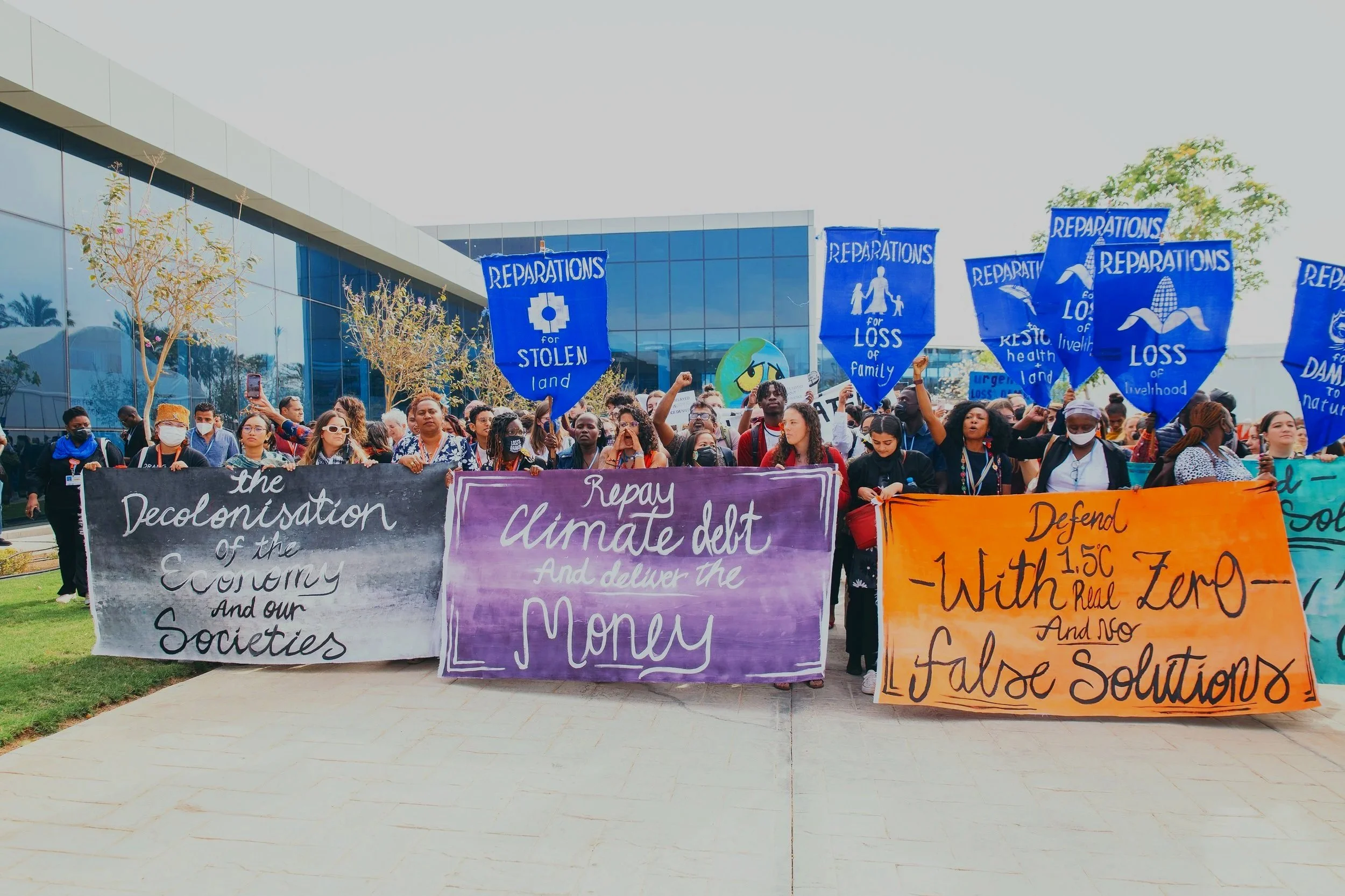
Bianca Inês
a systems-driven strategist building
narrative and collaboration infrastructure
for community justice, land sovereignty,
and ecological resilience.
More about Me ↗
campaign design and toolkits
〰️
participatory narrative strategy
〰️
relational organizing
〰️
project and people management
〰️
participatory action research
〰️
campaign design and toolkits 〰️ participatory narrative strategy 〰️ relational organizing 〰️ project and people management 〰️ participatory action research 〰️
For over a decade, I have crossed borders, cultures, and contexts to catalyse frontline movements in some of the world’s most overlooked territories.
My spark is to identify the strengths that communities already have.
I bridge grassroots organizing with high-level campaign strategy, connecting communities with the platforms and tools they need to leverage their strengths.
My work designs strategic architecture by applying decolonial and feminist frameworks to community mobilization.
I blend participatory storytelling with collective impact strategies to drive tangible, systemic change.
This space is a reflection of that commitment.
Currently EU-based
Justice begins
at the roots,
where power is shared,
stories are visible
and communities lead.
Let’s Collaborate ↗
I believe
if broken systems are designed, we can design other ones.
When we acknowledge that injustice is a feature of systems designed by people, then we understand that true change can only occur by reimagining a system that works, not reforming a broken one.justice is sitting at the intersections, our role is
to pull at threads.
When we explore the intersections most often ignored, we see that environmental, racial, social, and economic justice are inseparable. Coalitions that connect will amplify our impact across movements, and can liberate collectively.change is territorial,
and felt first by community.
Societal transformation is rooted in frontline experience. When we collaborate alongside communities, including when we legitimise frontline experiences and knowledge holders,
we guarantee that our strategies directly reflect the vision of the people living them.
Read More ↗